

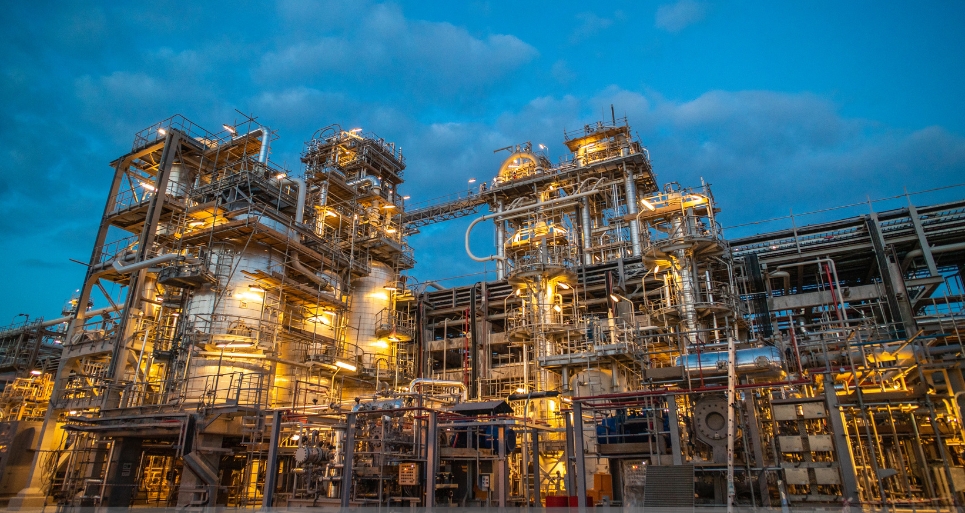
Reliable Valve Automation for Critical Oil & Gas Operations
At SDTORK, we design and manufacture actuators built to withstand the toughest oil and gas environments. From upstream exploration to downstream refining, our solutions deliver safety, precision, and reliability where it matters most.
Industry Challenges in Oil & Gas
Oil & gas operations demand exceptional reliability and safety. Companies face harsh environments—from offshore platforms exposed to saltwater corrosion and storms, to remote desert sites with high heat and dust. Many operations take place in hazardous zones, where explosive gases or vapors require flameproof and explosion-proof equipment. Valves used in pipelines, refining units, or gas distribution must withstand high pressure, frequent cycling, and extreme temperature variations. Downtime due to actuator failure or leakage isn’t just costly— it risks environmental impact and safety breaches. Additionally, compliance with international standards is non-negotiable: ATEX, IECEx, PESO, API, and other certifications are mandatory. Integration with digital control systems such as PLC and SCADA is also increasingly expected, along with demands for predictive maintenance, remote monitoring, and energy efficiency. All this puts high demands on valve automation devices: torque capability, weatherproof rating, seal integrity, motor efficiency, corrosion resistance, and long operational life are essential.
How SDTORK Solves It
At SDTORK, we engineer valve automation solutions built specifically for the rigors of the oil & gas sector. Our flameproof and explosion-proof actuators comply with ATEX, IECEx, and PESO standards, ensuring safety in hazardous areas. We offer both quarter turn and multi-turn electric actuators with high torque output and sturdy aluminium alloy housings with weatherproof (IP68/IP66) enclosures to resist corrosion, dust, and moisture. We use Reversible Synchronous (Non-Blocking) AC Motor & Reversible Induction Motor and feature precision worm gear drives for smooth movement under load. For advanced operations, we integrate features such as position feedback, remote control, and SCADA/PLC compatibility. By focusing on energy-efficient designs and low maintenance, SDTORK actuators reduce downtime and lifecycle costs. Together, this combination of certified safety, rugged construction, and smart automation helps oil & gas companies maintain high performance, regulatory compliance, and operational uptime.
Oil & Gas
Applications in Oil & Gas
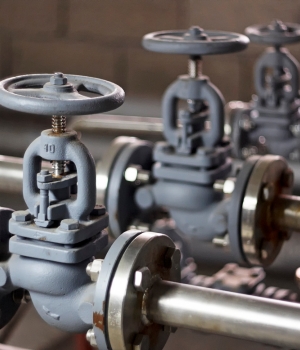
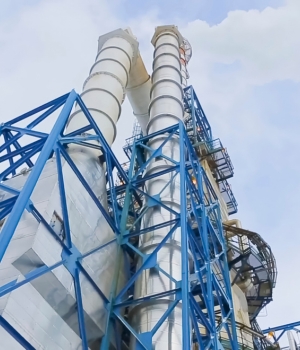
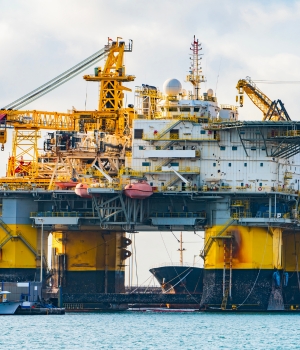
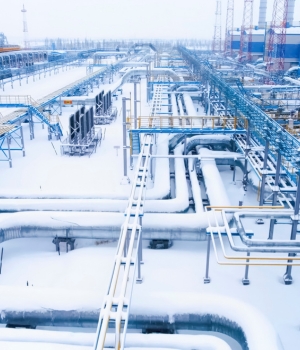
SDTORK actuators are trusted across the full value chain of oil and gas operations:
Certifications & Compliance
Our actuators are manufactured to meet the highest global standards:
-
ATEX – Flameproof and explosion-proof compliance.
Frequently Asked Question
With whom you will work, it totally depends on your project requirements They are highly trained for quickly response and provide great service to our customers. Experts are give profitability and success of our business growth & marketing.
-
Why are flameproof actuators important in the oil and gas industry?Flameproof or explosion-proof actuators are essential because oil & gas facilities often operate in hazardous zones with explosive gases or vapors. Certified actuators (ATEX, IECEx, PESO) ensure safe and reliable valve operation in such environments.
-
What type of actuators are best suited for oil and gas pipelines?For large gate and globe valves, multi-turn actuators provide high torque and continuous operation. For ball and butterfly valves, quarter-turn actuators deliver efficient, precise control. SDTORK offers both solutions tailored to pipeline requirements.
-
Can SDTORK actuators handle offshore and extreme environments?Yes. SDTORK actuators are built with corrosion-resistant aluminium alloy bodies and IP68-rated enclosures, making them reliable for offshore rigs, refineries, and desert operations with extreme weather conditions.
-
Do SDTORK actuators integrate with SCADA or PLC systems?Absolutely. Our actuators are equipped with smart control options including position feedback, remote monitoring, and compatibility with SCADA/PLC for seamless automation and process control.
-
How does SDTORK reduce downtime and maintenance costs?SDTORK actuators are designed with fit-and-forget reliability, stall-duty motors, and rugged gear drives. This reduces failures, minimizes downtime, and lowers the total cost of ownership for oil & gas operations.